

Everest Base Camp Trek in Nepal: Complete 15-Day Itinerary, Cost, Best Time & Tips
- soleencounters
The Everest Base Camp Trek is one of the most famous trekking adventures in the world. Every year, thousands of travelers come to Nepal to walk this legendary trail through the heart of the Himalayas. The trek leads you into the Khumbu region, home of Mount Everest, where towering peaks, deep valleys, ancient monasteries, and traditional Sherpa villages create an unforgettable journey.
Table of Contents
This trek is not only about reaching a destination. It is about the experience of walking day by day through changing landscapes, slowly gaining altitude, and learning how your body and mind adapt to life in the mountains. Standing at Everest Base Camp, surrounded by glaciers and some of the highest mountains on Earth, is a powerful and emotional moment for many trekkers.
This complete guide explains everything you need to know about the Everest Base Camp Trek. It includes a detailed 15-day itinerary, trekking cost, inclusions and exclusions, best seasons, difficulty level, fitness preparation, packing tips, and answers to common questions. If you are planning the trek or comparing options, this guide will help you make informed decisions.
For official trip details, dates, and booking information, you can also visit the main program page here:
https://www.soleencounterstrek.com/trip/everest-base-camp-trek
Everest Base Camp Trek at a Glance (Quick Answer Section)
The Everest Base Camp Trek is a 15-day trekking journey in Nepal that takes you to the base of Mount Everest at an altitude of 5,364 meters. The trek includes scenic flights to Lukla, acclimatization days, Sherpa villages, monasteries, glaciers, and a sunrise hike to Kala Patthar at 5,545 meters.
Key facts:
-
Duration: 15 days
-
Base Camp altitude: 5,364 m
-
Highest point: Kala Patthar, 5,545 m
-
Difficulty: Moderate to challenging
-
Best seasons: March to May and September to November
-
Accommodation: Teahouses
-
Start and end point: Kathmandu
This section is designed to help Google display your page as a featured snippet.
Why the Everest Base Camp Trek Is So Popular
There are many trekking routes in Nepal, but the Everest Base Camp Trek stands apart for several reasons. First, it takes you to the base of Mount Everest, the highest mountain in the world. For many people, just being in the Everest region is a lifelong dream.
Second, the trek offers an incredible mix of nature and culture. You walk through Sherpa villages where people have lived in harmony with the mountains for generations. You see prayer flags, mani walls, spinning prayer wheels, and monasteries that reflect the deep Buddhist traditions of the region.
Third, the trek is challenging but achievable. You do not need climbing skills or technical experience. With good preparation, a steady pace, and proper acclimatization, many first-time trekkers successfully complete the journey.
Finally, the sense of achievement is unmatched. Reaching Everest Base Camp after days of walking through high-altitude terrain gives a deep feeling of pride and personal growth.
Best Time to Trek to Everest Base Camp
Choosing the right season is very important for a successful Everest Base Camp Trek.
Spring Season (March to May)
Spring is one of the best times to trek to Everest Base Camp. The weather is generally stable, temperatures are moderate, and days are longer. At lower elevations, forests are colorful with blooming rhododendrons. Mountain views are often clear, especially in the mornings.
Spring is also the climbing season on Everest, so base camp is more active and lively. This gives trekkers a chance to see expedition tents and climbers preparing for their ascent.
Autumn Season (September to December)
Autumn is the most popular season for the Everest Base Camp Trek. After the monsoon rains, the skies are usually very clear, offering excellent visibility of the mountains. The air is crisp, and daytime temperatures are comfortable for trekking.
Autumn is ideal for photography and for trekkers who want the best possible views.
Winter and Monsoon Seasons
Winter trekking is possible but very cold, especially at night and at higher altitudes. Snow can block trails and flights may be delayed. Monsoon season brings rain, clouds, and reduced visibility. Flights to Lukla are more likely to be affected during this time.
For most trekkers, spring and autumn are the safest and most enjoyable seasons.
Everest Base Camp Trek Overview
-
Region: Khumbu, Everest region of Nepal
-
Total duration: 15 days including arrival and departure
-
Highest point: Kala Patthar at 5,545 m
-
Everest Base Camp altitude: 5,364 m
-
Difficulty level: Moderate to challenging
-
Accommodation: Teahouses and lodges
-
Starting and ending point: Kathmandu
The trek starts with a mountain flight to Lukla. From there, the trail follows the Dudh Koshi River and passes through villages such as Phakding, Namche Bazaar, Tengboche, Dingboche, Lobuche, and Gorak Shep before reaching Everest Base Camp. The return journey follows the same route back to Lukla.
Daily walking distances usually range from 8 to 15 kilometers. Walking time can be between 4 and 9 hours depending on the day and altitude.
Everest Base Camp Trek Itinerary (15 Days)
This 15-day itinerary is designed for safe acclimatization and a comfortable trekking pace.
Day 1: Arrival in Kathmandu (1,400 m)
You arrive at Tribhuvan International Airport in Kathmandu. After transfer to your hotel, the day is free to rest, recover from travel, and prepare for the trek. In the evening, you meet your guide for a trip briefing and final checks.
Day 2: Flight to Lukla and Trek to Phakding (2,652 m)
An early morning flight takes you to Lukla. After landing, the trek begins with a gentle walk along the Dudh Koshi River. You cross suspension bridges and pass small villages before reaching Phakding.
Walking time: 3 to 4 hours.
Day 3: Phakding to Namche Bazaar (3,440 m)
Today you enter Sagarmatha National Park and cross several famous suspension bridges. The final climb to Namche Bazaar is steep but rewarding. Namche is the main town of the Everest region and offers bakeries, shops, and mountain views.
Walking time: Around 7 hours.
Day 4: Acclimatization Day at Everest Viewpoint (3,860 m)
This day is for altitude adjustment. You hike to the Everest Viewpoint area above Namche, where you see Mount Everest for the first time if weather is clear. After the hike, you return to Namche to rest.
Walking time: About 4 hours.
Day 5: Namche Bazaar to Tengboche (3,860 m)
The trail follows a scenic ridge with views of Everest, Ama Dablam, and other peaks. After descending to the river, you climb to Tengboche Monastery, the spiritual center of the region.
Walking time: 6 to 7 hours.
Day 6: Tengboche to Dingboche (4,410 m)
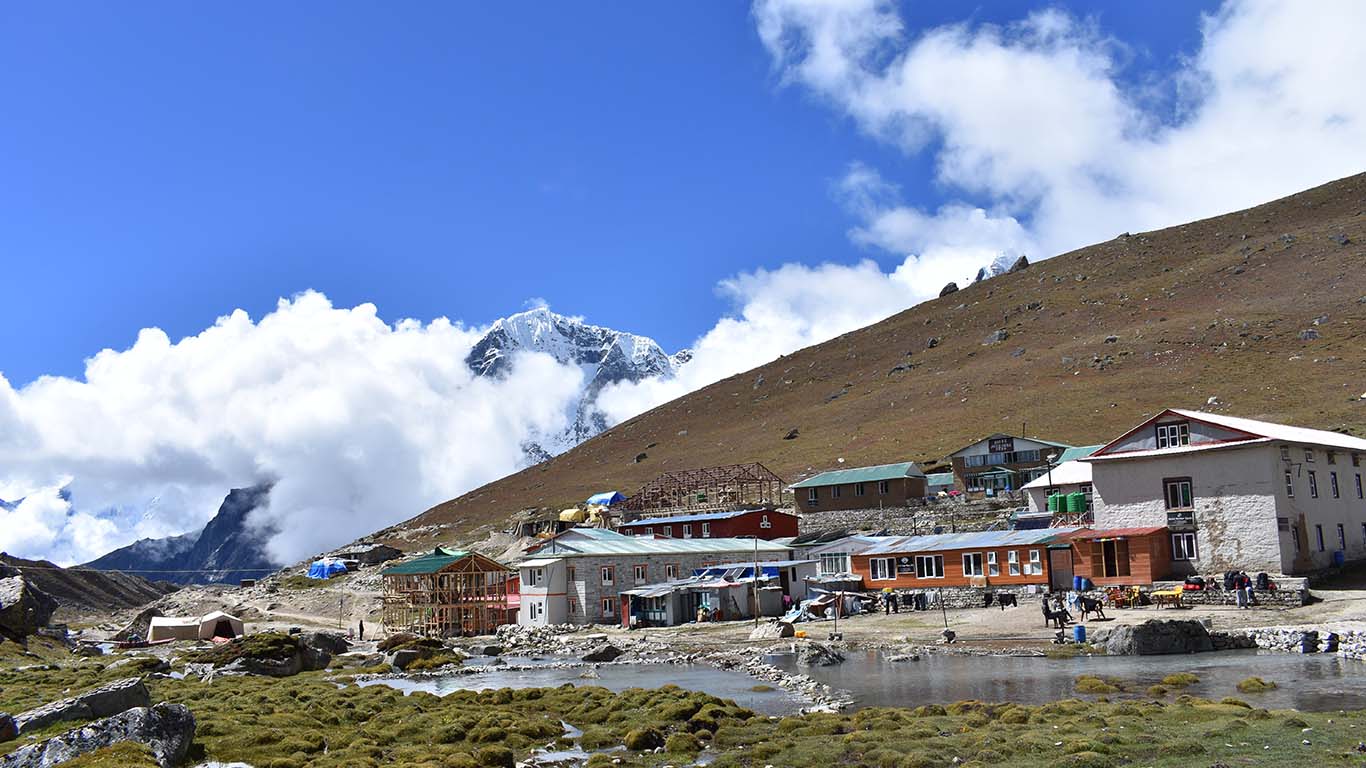
You leave the forested zone and enter open alpine terrain. The walk is gradual, and the scenery becomes wider and more rugged. Dingboche is surrounded by stone walls built to protect crops from cold winds.
Walking time: 6 to 7 hours.
Day 7: Acclimatization Day in Dingboche (4,410 m)
This rest day helps your body adapt to higher altitude. Optional short hikes to nearby ridges improve acclimatization. Proper rest and hydration are important.
Day 8: Dingboche to Lobuche (4,940 m)
The trail becomes more rocky and passes memorials dedicated to climbers who lost their lives on Everest. The views of glaciers and peaks are dramatic.
Walking time: 5 to 6 hours.
Day 9: Lobuche to Everest Base Camp via Gorak Shep (5,364 m)
You trek to Gorak Shep and then continue to Everest Base Camp. The trail follows the Khumbu Glacier. After spending time at base camp, you return to Gorak Shep for the night.
Walking time: 8 to 9 hours.
Day 10: Kala Patthar and Trek to Pheriche or Somare (4,240 m)
Early in the morning, you hike to Kala Patthar for sunrise views of Everest. This is the best viewpoint for close-up Everest scenery. After descending, you continue down to Pheriche or Somare.
Walking time: 7 to 9 hours.
Day 11: Pheriche or Somare to Namche Bazaar (3,440 m)
Descending to lower altitude makes walking easier. You retrace the trail through villages and valleys back to Namche Bazaar.
Walking time: Around 7 hours.
Day 12: Namche Bazaar to Lukla (2,860 m)
The final trekking day takes you back to Lukla. This is a day of reflection and celebration after completing the trek.
Walking time: 7 to 8 hours.
Day 13: Flight from Lukla to Ramechhap and Drive to Kathmandu
You fly from Lukla to Ramechhap and then drive back to Kathmandu.
Drive time: 5 to 6 hours.
Day 14: Free Day in Kathmandu
This day is free for sightseeing, shopping, or rest. Optional city tours can be arranged.
Day 15: Final Departure
Transfer to the airport for your onward journey.
Everest Base Camp Trek Cost Overview
The cost of the Everest Base Camp Trek depends on season, group size, and services included.
Typical price ranges:
-
Standard fully supported trek: around USD 1,499 per person
-
Budget options: USD 1,499 to 1,600
-
Peak season or upgraded services: USD 1,700 and above
What Is Included in the Trek Cost
-
Teahouse or lodge accommodation during the trek
-
Three meals per day during trekking days
-
Experienced English-speaking trekking guide
-
Local porters, one porter for two trekkers
-
TIMS and Sagarmatha National Park permits
-
Domestic flights and ground transportation
-
Hotel accommodation in Kathmandu with breakfast
-
Basic medical kit and emergency rescue support
-
Trek equipment support such as duffle bag and oximeter
-
Welcome and farewell dinners in Kathmandu
What Is Not Included
-
International flights and Nepal visa fees
-
Lunch and dinner in Kathmandu except welcome dinner
-
Personal trekking gear and clothing
-
Travel insurance covering high altitude and helicopter rescue
-
Personal expenses such as Wi Fi, showers, charging, snacks, and drinks
-
Alcoholic beverages and specialty coffee
-
Tips for guides, porters, and drivers
-
Extra hotel nights due to weather or flight delays
Difficulty Level and Fitness Preparation
The Everest Base Camp Trek is physically demanding but not technical. You walk 5 to 8 hours most days at high altitude. The main challenge is altitude, not climbing.
Good fitness, slow walking, proper acclimatization, hydration, and rest are essential. Training with walking, stair climbing, and cardio before the trek is highly recommended.
Packing and Preparation Tips
Bring well-broken-in trekking boots, warm layered clothing, a down jacket, gloves, hat, sunscreen, sunglasses, trekking poles, and a good sleeping bag. Carry a reusable water bottle and purification method. Travel insurance must cover high altitude trekking and emergency evacuation.
Frequently Asked Questions
How long is the Everest Base Camp Trek?
The standard itinerary takes 15 days including arrival and departure.
What is the highest point?
Kala Patthar at 5,545 meters.
Is Everest Base Camp Trek suitable for beginners?
Yes, with proper preparation and acclimatization.
What is the best season for clear views?
Autumn, followed by spring.
How much does the Everest Base Camp Trek cost?
Most fully supported treks cost around USD 1,599.
Final Thoughts
The Everest Base Camp Trek is more than a walk in the mountains. It is a journey through powerful landscapes, rich culture, and personal challenge. With good planning and experienced local support, it becomes one of the most rewarding adventures of a lifetime.
For full details, dates, and booking, visit:
https://www.soleencounterstrek.com/trip/everest-base-camp-trek
Recent Posts
.jpg)
3rd Jul, 2025
.jpg)
4th Jul, 2025
.jpg)
4th Jul, 2025
.jpg)
7th Jul, 2025
.jpg)
8th Jul, 2025
.jpg)
8th Jul, 2025
.jpg)
8th Jul, 2025

10th Jul, 2025